
Scotland is moving quickly towards a low-carbon future, and transport is a central part of that journey. Petrol and diesel vehicles are being phased out, electricity prices are volatile, and customer expectations are changing. For businesses, investing in electric vehicles (EVs) and charging isn’t just a “green” decision anymore — it’s about cutting costs, staying competitive, and offering the facilities that staff and customers increasingly expect.
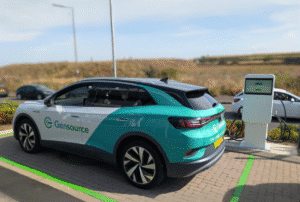
The business case for EV charging
Lower running costs
EVs are consistently cheaper to run than petrol or diesel vehicles. On a cost-per-mile basis, charging can be less than half the price of fuel. EVs also require less maintenance, meaning fewer breakdowns and lower servicing bills.
Case example: Lexus Edinburgh by Eastern Western Motor Group
Eastern Western future-proofed their car dealerships by installing rapid DC fast chargers in their Lexus Edinburgh branch. With more of the cars they sell now being electric, customers expect to see chargers on-site. Gensource supported them by installing fast charging infrastructure with a smart management system linked to their solar panels. This allows vehicles to be charged quickly and cleanly, while keeping energy costs under control.

Energy control
On-site charging puts businesses in charge of their energy use. Instead of relying on public chargers at premium rates, companies can manage when vehicles are charged, take advantage of off-peak electricity, or pair chargers with solar PV to generate their own power.
Case example: Comrie Croft
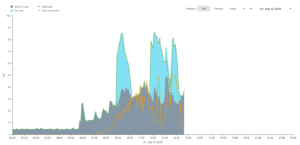
Comrie Croft, a rural nature park and eco-accommodation site, wanted to make EV charging work for both staff and guests. Gensource installed smart chargers linked to a payment system. Employees charge for free, while guests pay reduced rates — especially when there is excess solar power available. This makes the most of on-site renewables while offering a valuable service to visitors.
Attracting staff and customers
Workplace charging is fast becoming a standard employee benefit. For employees with EVs, it’s highly valued; for those considering the switch, it removes a key barrier.
Customers are also more likely to visit — and stay longer at — destinations where they can charge while they shop, eat, or meet. In sectors like retail, hospitality, and leisure, EV charging is increasingly part of the customer experience.
Strengthening your brand
Visible EV charging points are a clear statement of intent. They show your business is serious about sustainability and future-focused. For companies that supply larger organisations or public bodies, sustainability credentials are also becoming a factor in procurement. Having charging infrastructure in place demonstrates action, not just ambition.
Future-proofing your business
The phase-out of new petrol and diesel vehicles is only a decade away. As more staff and customers drive EVs, demand for charging will increase sharply.
Installing infrastructure now helps businesses:
– Avoid future bottlenecks and retrofit costs.
– Scale charging gradually as demand grows.
– Build resilience against rising fuel costs and changing market expectations.
How to get started
– Assess your demand: look at how staff, fleet, or customers travel.
– Plan for growth: install systems that can be scaled up as usage increases.
– Think integration: pair charging with solar PV or battery storage for long-term savings.
– Use available support: grants, tax relief, and energy supplier partnerships can reduce upfront costs.
Why now?
The shift to electric transport is no longer a question of if, but when. Acting early helps businesses cut costs, attract staff and customers, and stay ahead of competitors.
At Gensource, we work with organisations across Scotland to deliver EV charging alongside solar and battery storage. Each project is tailored — but the drivers are the same: reduce reliance on the grid, control costs, and show leadership in a fast-changing market.
The shift to electric is already here, talk to Gensource now to make sure your business is ready!
This article is written by Josh King, Managing Director of Gensource.

